Nasal congestion, frequent nosebleeds, and postnasal drip are all symptoms of a deviated septum. If you're experiencing problems like these, the experienced team at Ear, Nose, Throat, and Sinus Center of South Florida in Hollywood, Florida, can help. Board-certified physician Craig Shapiro, DO, performs minimally invasive septoplasty procedures to realign the cartilage of your septum and allow you to breathe more normally. To benefit from the team's experience in treating deviated septum, call the office or book an appointment online today.
Deviated Septum Q & A
What is a deviated septum?
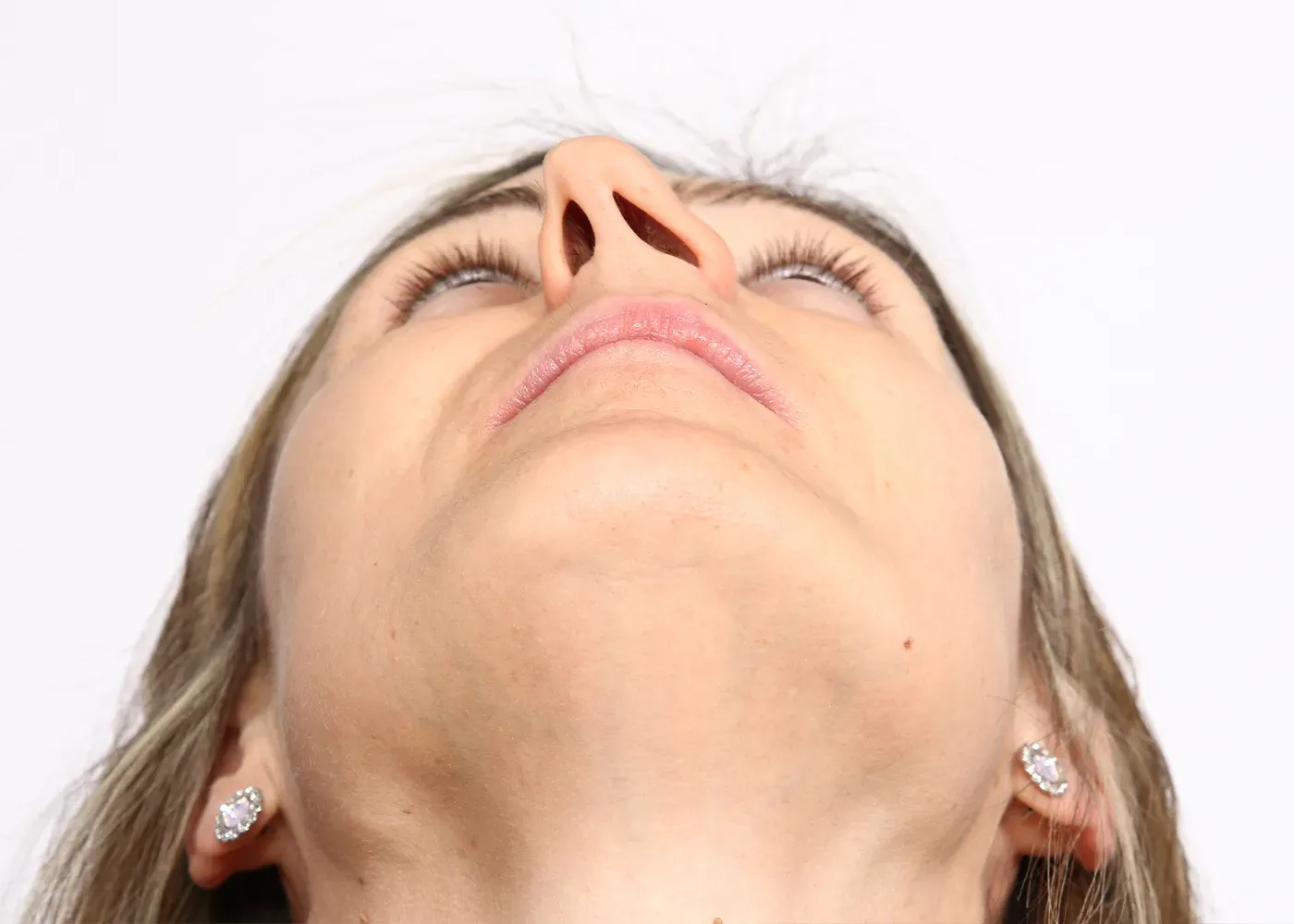
Your septum is the thin wall consisting of bone and cartilage that divides your nasal passages. Having a deviated septum means it isn't aligned properly.
Some babies are born with a deviated septum, or the condition may arise later in life as a result of an injury to the nose. It's also possible to develop a deviated septum due to age-related changes to your nasal structures.
When you have a deviated septum, one of your nasal passages is narrower, making it harder to breathe through that nostril.
What symptoms might a deviated septum cause?
A deviated septum can lead to blockages in your nose that make it harder for you to breathe, particularly when you have an upper respiratory tract infection like a cold or sinusitis. Other symptoms of a deviated septum include:
- Snoring
- Facial pain
- Frequent nosebleeds
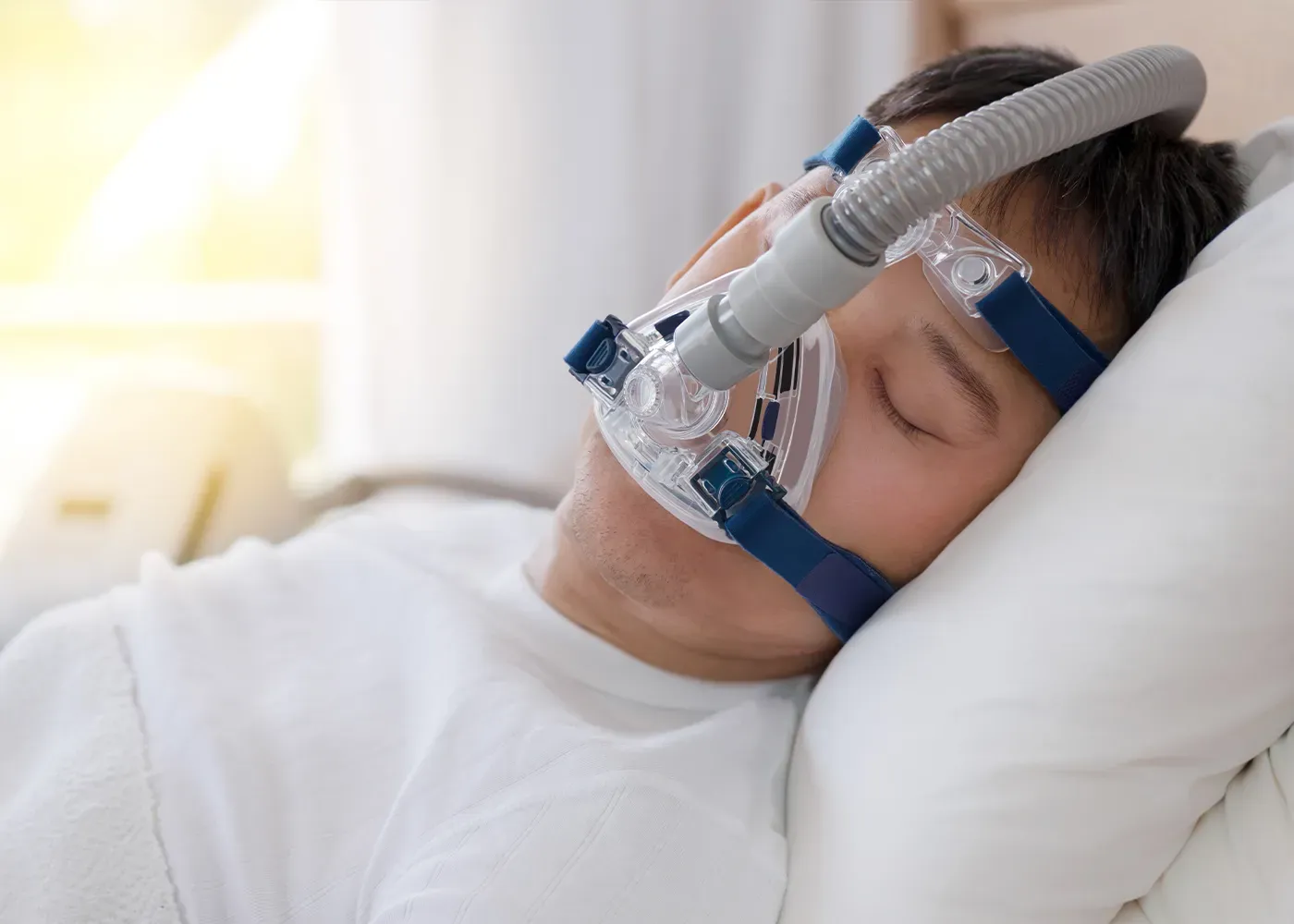
- Difficulty sleeping
If over-the-counter medications like decongestants and antihistamines don't help to relieve the nasal congestion your deviated septum causes, you should consult with Dr. Shapiro at Ear, Nose, Throat, and Sinus Center of South Florida.
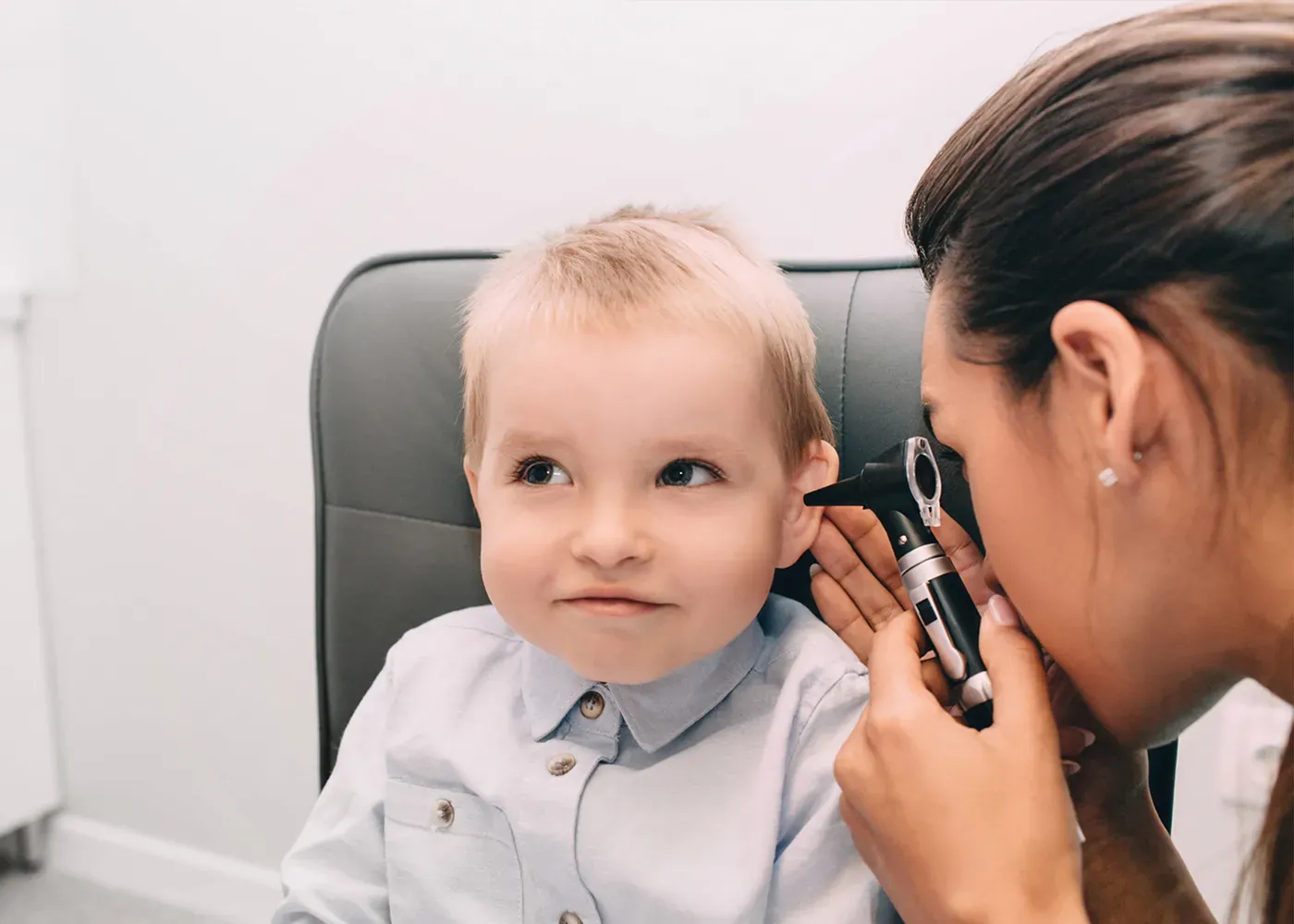
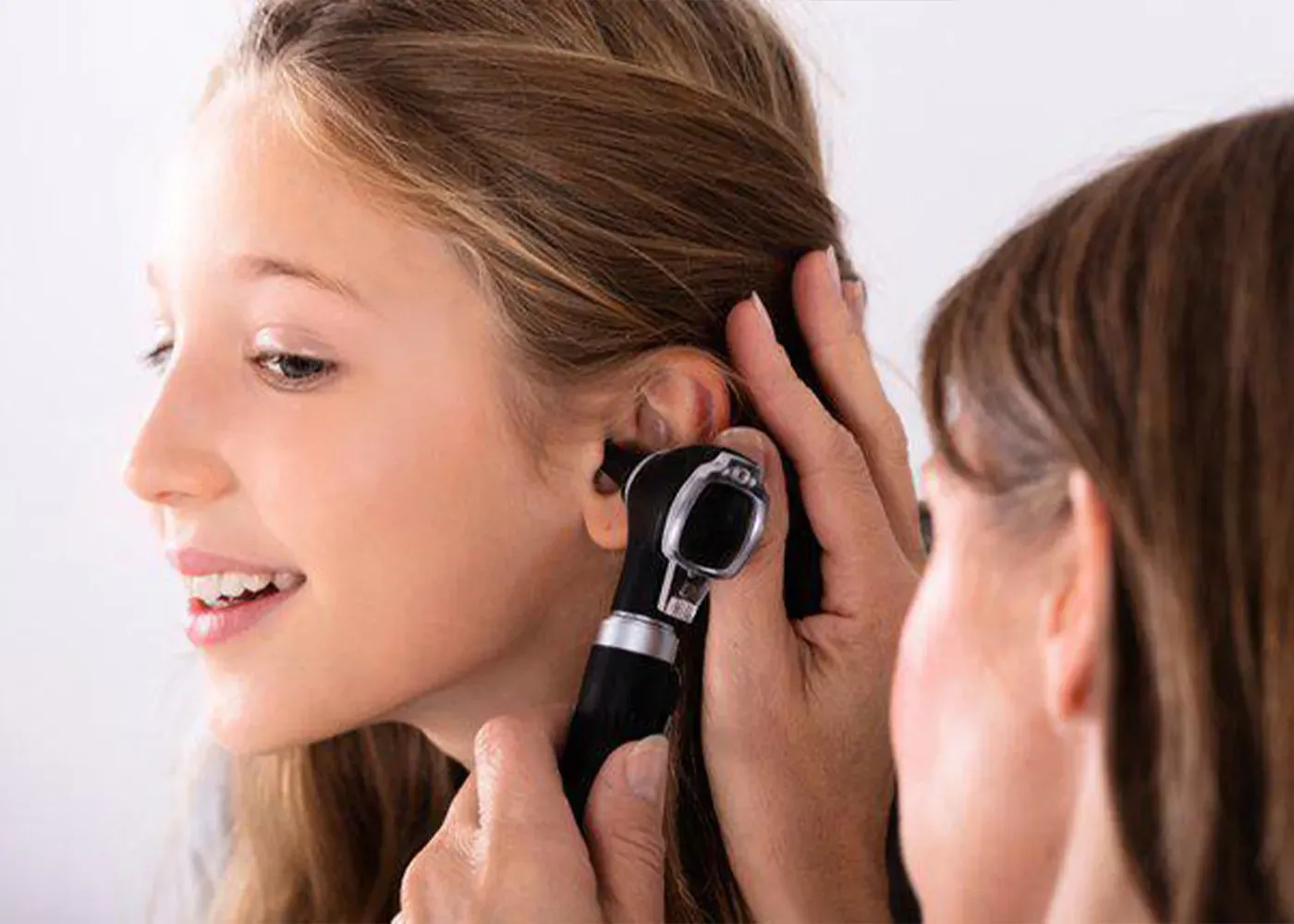
They can confirm that your symptoms are due to a deviated septum after a physical examination and may also get X-rays or a CT scan of your face to evaluate your condition.
What treatments might I need for a deviated septum?
If your deviated septum doesn't respond to medication, you might need to undergo a septoplasty procedure. It is a minimally invasive surgery performed by Dr. Shapiro. He has many years of experience performing to relieve the symptoms of a deviated septum.
During septoplasty, your provider repositions and straightens your septum, so it's in a central position between your nasal passages. Surgery may involve removing excess tissue to achieve the correct alignment.
After septoplasty surgery for your deviated septum, you should be able to breathe more easily. However, if you suffer from allergies like seasonal rhinitis (hayfever) that cause sinus inflammation, you might need to continue taking medications to ensure your nasal passages stay open.
To determine if septoplasty could resolve your deviated septum symptoms, call Ear, Nose, Throat, and Sinus Center of South Florida to schedule a consultation or book an appointment online today.