Swimmer’s ear, also called otitis externa, is an infection or inflammation of the outer ear canal. It commonly develops after swimming or bathing when moisture becomes trapped in the ear, creating an environment where bacteria or fungi can grow. Swimmer’s ear can affect children and adults and may cause significant discomfort, itching, swelling, redness, drainage, or pain when the outer ear is touched. At Ear, Nose, Throat, and Sinus Center of South Florida in Hollywood, Florida, Craig Shapiro, DO, can evaluate your symptoms, distinguish swimmer’s ear from other types of ear infections, and recommend appropriate treatment to help relieve discomfort and prevent complications. To schedule an appointment, call the office or request an appointment online today.
Swimmers Ear Q & A
What is swimmer’s ear?
Swimmer’s ear is an infection affecting the skin lining of the outer ear canal. Although swimming is a common trigger, prolonged exposure to water, excessive moisture, scratches inside the ear, cotton swab use, and certain skin conditions can also contribute to the condition. Unlike a middle ear infection, swimmer’s ear affects the ear canal itself.
What are the symptoms of swimmer's ear?
Common symptoms include ear pain, itching, redness, swelling, tenderness when the outer ear is moved, and fluid or pus draining from the ear.
Prompt evaluation can help prevent the infection from becoming more severe.
How is swimmer’s ear diagnosed?
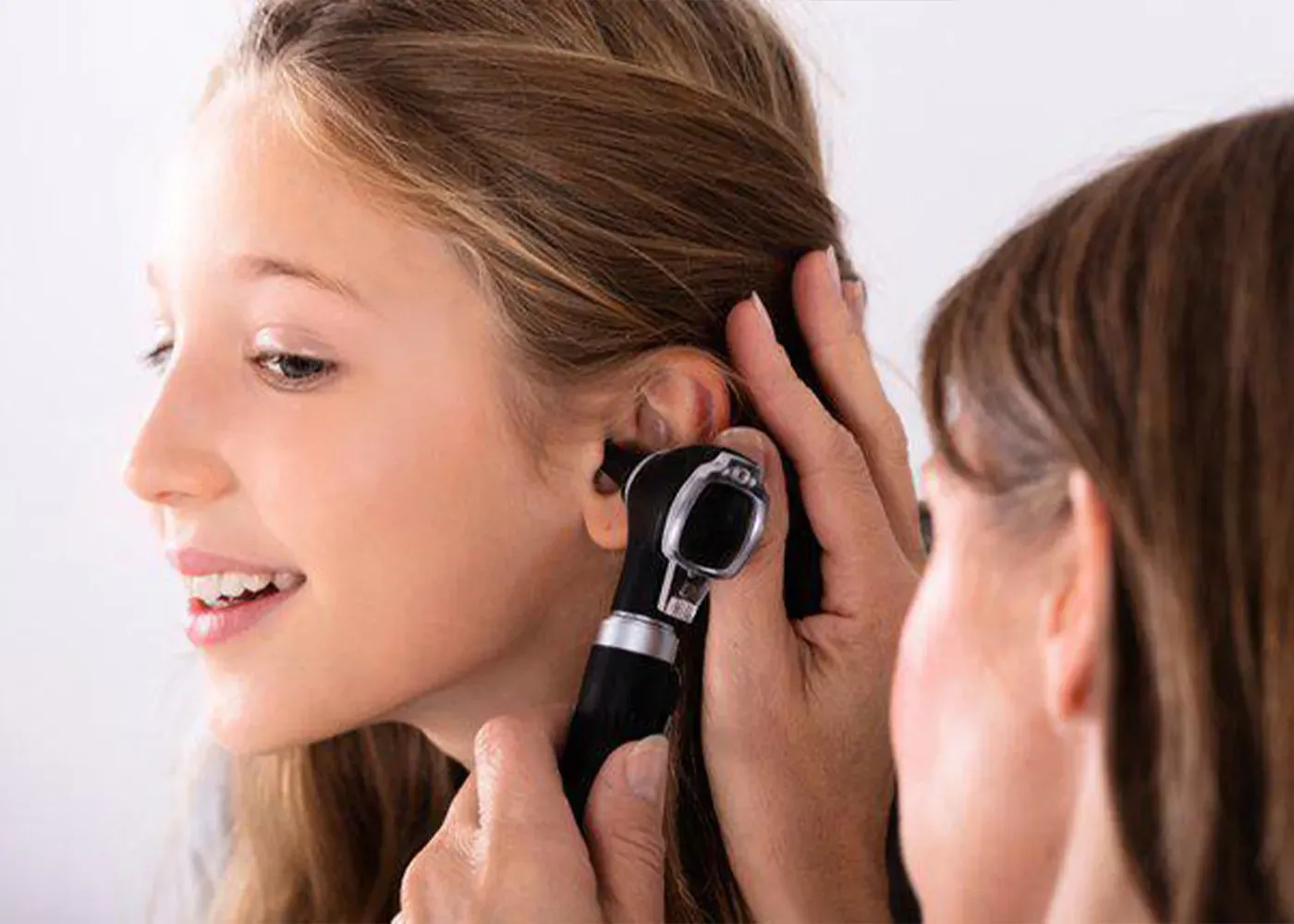
Dr. Shapiro can typically diagnose swimmer's ear after a physical exam and review of your or your child's symptoms. He examines the ear canal and eardrum with specialized instruments, looking for redness, swelling, irritation, drainage, or debris. The examination also helps distinguish swimmer’s ear from a middle ear infection or other causes of ear pain. In persistent or complicated cases, a sample of drainage may be evaluated to identify the responsible organism.
How is swimmer’s ear treated?
Treatment depends on the severity and cause of the infection. Prescription ear drops are commonly used to address infection and inflammation. Dr. Shapiro may also carefully clean the ear canal to remove drainage, wax, or debris so medication can reach the affected skin more effectively.
In some cases, additional treatment may be appropriate, particularly when symptoms are severe or do not improve as expected.
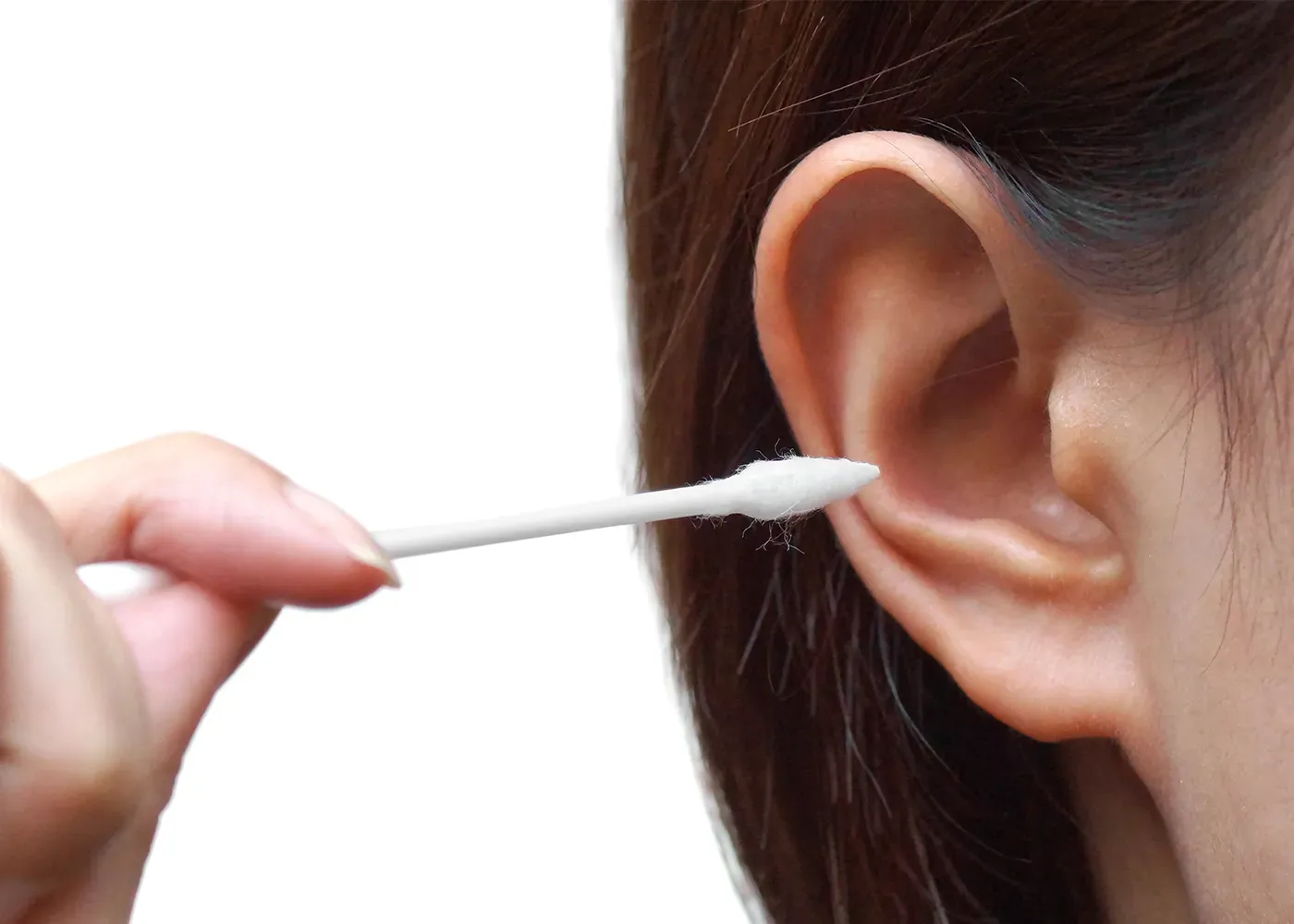
Patients should avoid putting cotton swabs or other objects into the ear, as this can irritate or injure the delicate skin of the ear canal.
Can swimmer’s ear be prevented?
Keeping the ears dry is one of the most effective ways to reduce your risk of swimmer’s ear. After swimming or showering, your ears should be dried thoroughly, and swimmers may benefit from using appropriately fitted earplugs or swim molds. Patients should also avoid inserting objects into the ear canal or attempting to remove protective earwax unnecessarily.
For persistent ear pain, drainage, swelling, or recurring swimmer’s ear, schedule an evaluation at Ear, Nose, Throat, and Sinus Center of South Florida. Call the office or request an appointment online today.